Pushmeer is a word that has appeared across TikTok, YouTube, and social media platforms over the past couple of years. Many people have seen it in video titles, comments, and meme content but are not sure what it actually means. This article explains what Pushmeer is, where it came from, how it became popular, and what role it plays in internet culture today.
Pushmeer is not a real word in any dictionary. It is a made-up phrase that became famous through a specific type of prank video. Understanding its background helps explain why so many people search for it online and why it continues to spread across digital spa
Bio Table
| Detail | Information |
|---|---|
| Term | Pushmeer |
| Type | Viral internet slang / made-up prank word |
| Creator | Easton Simpson (also known as es.imps or eastonsimp) |
| Origin Location | Utah, United States |
| Platform of Origin | TikTok and YouTube |
| Year It Gained Attention | Around 2024–2025 |
| Category | Mumble prank / internet meme |
| Real Meaning | No fixed meaning — intentionally nonsensical |
| Merchandise | T-shirts, hoodies, hats (sold through Simple Clothing Shop) |
| Current Status | Ongoing viral trend with growing online presence |
Read More: Ed and Lorraine Warren
What Pushmeer Actually Is
Pushmeer is a word with no real meaning. It was created on purpose to confuse people. A content creator named Easton Simpson came up with the word and used it in videos where he interviewed strangers, athletes, and celebrities.
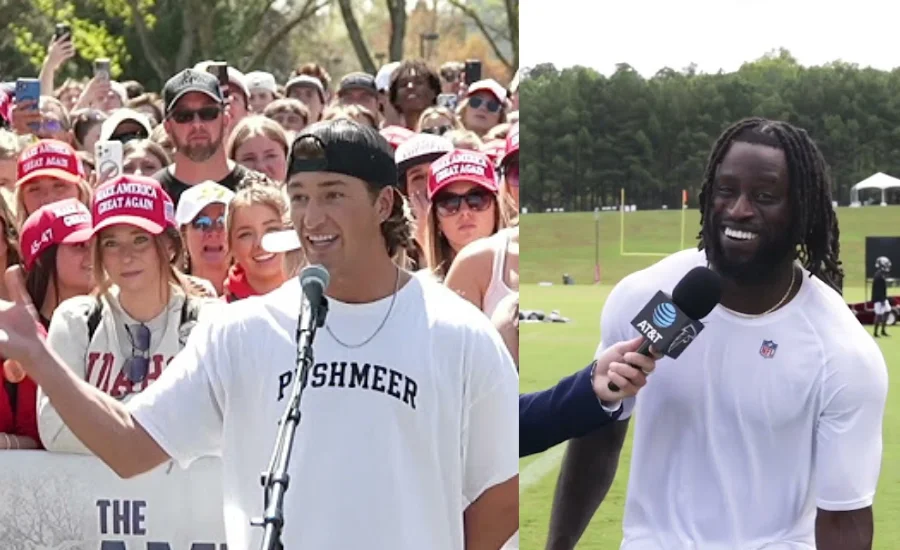
During these interviews, he would mumble the word “Pushmeer” in the middle of a sentence. Because it sounded like it could be a real word, most people tried to respond to it rather than admit they did not understand. This created funny and awkward moments that were recorded and shared online.
The word does not represent any product, organization, or concept. Its entire purpose is to cause confusion and generate humor from how people react when they hear something that sounds meaningful but has no actual meaning at all.
Who Created Pushmeer
Easton Simpson is the person behind the Pushmeer trend. He is a young content creator from Utah who is often described as the “Mumble Kid from Utah.” He runs social media accounts under the names es.imps and eastonsimp.
Simpson became known for his mumble prank interview style. He would approach people in public spaces and at major events and speak in a way that was mostly unclear. Inside that unclear speech, he would include the word Pushmeer.
He has described his goal as pushing the limits of social interaction through humor. Simpson has said he would one day like to pull the prank on very high-profile people, including political figures.Not much else about his personal background, early life, or family has been shared publicly. This article only includes what has been confirmed through verified sources.
How the Pushmeer Prank Works
The prank follows a clear pattern that makes it effective. Simpson starts by approaching someone as if he is a real journalist or interviewer. He asks simple and easy questions at first to build trust and make the other person feel comfortable.The guy abruptly switches to rapid mumbling once he is at ease. In the middle of this mumbling, he inserts the word Pushmeer or variations of it such as “pushre” or “pushmir.”
Because part of the conversation sounded normal, the person being interviewed is placed in an uncomfortable situation. They either admit they did not understand, which feels awkward, or they pretend they understood and try to respond. Most people choose to respond. This response is what creates the humor in the video.
The prank works because of basic human psychology. People naturally want to appear aware and confident. Admitting confusion in a recorded setting feels uncomfortable, so most people attempt to answer rather than say they did not follow the question.
Where the Word Pushmeer Comes From
The exact first use of the word has not been confirmed in any documented source. However, some researchers of internet language have suggested that the word may combine two parts with loose meanings.
“Push” is a common word that suggests movement, effort, or action. “Meer” does not have a widely agreed meaning in English but may be related to words in other languages that suggest “more” or “beyond.” Together, some people interpret Pushmeer as loosely suggesting the idea of pushing forward or going further.
However, it is important to note that this interpretation is not official. Easton Simpson created the word as a nonsense phrase. Any meaning people apply to it has been added by others over time as the word spread online.
How Pushmeer Became Viral
The Pushmeer videos gained attention because they were simple, funny, and easy to share. The awkward reactions of people who tried to answer a question containing a made-up word were entertaining to watch.Short video platforms like TikTok and YouTube Shorts helped the trend spread quickly. Once people heard the word in one video, they began sharing it, remixing it, and using it in their own content.
This created a cycle where more exposure led to more curiosity, which led to even more people searching for and sharing the word.Simpson has used the prank on athletes, actors, and other public figures. These appearances gave the trend more reach because the subjects of the videos already had large audiences of their own.
Pushmeer in Sports and Celebrity Culture
One reason Pushmeer gained unusual reach is because Simpson took his prank to major public events. He appeared at sporting events and red carpet occasions where he could interact with athletes and celebrities.
Several well-known figures have appeared in Pushmeer prank videos, often appearing genuinely confused by the word. These clips went viral partly because viewers enjoyed watching recognizable people struggle with a made-up question.
The prank has also appeared at events connected to popular media. In late 2025, actors at a red carpet event for a film called The Chosen were pranked using the mumble style, with one actress acknowledging she knew the word did not exist. This moment itself became a widely shared clip.
Pushmeer as a Brand and Merchandise
What started as a prank video concept has grown into a small commercial brand. Pushmeer is now used as a label on merchandise including T-shirts, hoodies, and hats.
These products are sold through a platform called Simple Clothing Shop. Simpson promotes the merchandise in his videos and social media content. Fans who follow the trend often buy these items as a way of showing they are part of the Pushmeer community.
This type of commercial growth is common when internet trends become large enough to attract loyal audiences. The merchandise serves as a way for followers to express their connection to the joke and the creator behind it.
Pushmeer in Meme Culture
Beyond the original prank videos, Pushmeer has entered general meme culture. People use it in captions, comments, and reaction posts across many platforms.The word is flexible because it has no fixed meaning. This allows different communities to use it in different ways. In some spaces, it is used as a playful nonsense word to describe awkward situations. In others, it is used ironically or as a reference to the original prank videos.
Internet culture often embraces words that are unusual, short, and easy to say out loud. Pushmeer fits that pattern. Its odd sound makes it memorable, and its lack of meaning makes it open to many types of use.
Why People Keep Searching for Pushmeer
There are several reasons why Pushmeer continues to appear in search results and social media feeds.People who encounter the word for the first time are naturally curious. When a word appears repeatedly without explanation, humans tend to search for its meaning. This curiosity drives traffic to videos and articles about the term.
The prank format also creates a built-in audience. People who watch the original videos want to share the confusion with others, which spreads the word further. Each new person who sees a Pushmeer video for the first time becomes another person who might search for its meaning.
Social media algorithms also help. Short videos that create strong reactions, including laughter or confusion, tend to be promoted more widely by platforms. This gives the Pushmeer videos a natural advantage in reaching new viewers.
Challenges and Criticism
Not everyone views Pushmeer positively. Some people find prank-style content uncomfortable, especially when it involves putting real people in awkward situations without their full knowledge.
There is also a concern that once a word becomes overused, it loses whatever humor it originally had. Internet trends tend to have a limited lifespan. Words that feel fresh and funny at first can start to feel repetitive when they appear too often.
Some online communities have also noted that inside-joke terms can sometimes create a sense of exclusion, making newcomers feel left out of conversations they do not understand. This is not unique to Pushmeer and is a common feature of viral internet language.
Net Worth and Lifestyle of Easton Simpson
No confirmed net worth figure has been published for Easton Simpson in verified sources. As a content creator who sells merchandise and produces videos on TikTok and YouTube, he likely earns income through a combination of ad revenue, brand partnerships if any exist, and merchandise sales.
His lifestyle appears to be centered around content creation. His videos are filmed in public spaces at events and in everyday settings. His online presence suggests he is an active creator who continues to make new content regularly.Only publicly available and verified information has been used in this section. No figures have been invented or estimated.
Also More: Jennifer Rauchet
FAQs
What does Pushmeer mean?
Pushmeer does not have a real or official meaning. It is a made-up word created by content creator Easton Simpson. It was designed to sound like a real word but contains no actual definition.
Who created Pushmeer?
Pushmeer was created by Easton Simpson, a content creator from Utah who posts under the names es.imps and eastonsimp on TikTok and YouTube.
Why do people keep saying Pushmeer online?
People use Pushmeer because it became a viral meme after appearing in popular prank videos. Its unusual sound and lack of meaning make it easy to use in many different ways online, from humor to reaction content.
Is Pushmeer a brand or a product?
It started as a prank concept but has since become associated with merchandise such as T-shirts and hoodies sold through Simple Clothing Shop. It is now used as both a meme and a small commercial brand.
Is the Pushmeer prank harmful?
The prank is generally considered harmless humor. It creates awkward moments but does not cause physical or serious emotional harm. As with any content format, viewer opinions about its humor vary.
Final Words
Pushmeer is a made-up word that became a viral internet trend through the mumble prank videos of content creator Easton Simpson from Utah. The word has no official meaning in any dictionary and was designed specifically to confuse people during interviews.It became popular because of its simple and funny format, its spread across short video platforms, and its appearances in videos featuring athletes and celebrities. Over time, it moved from a specific prank into broader meme culture and even spawned merchandise.
Pushmeer is a good example of how the internet creates and spreads new language. A single made-up word, used in the right setting and shared widely, can become a recognized part of online culture within months. Whether it stays relevant or fades over time will depend on whether creators continue finding new ways to use it.